欧盟委员会10月30日公布2027版联合目录(CN),并于11月税务与海关通讯再次提醒:新版自2027年1月1日起适用。The Commission announced the 2027 Combined Nomenclature on 30 October and highlighted it again in its November customs newsletter. It applies from 1 January 2027.
CN用于欧盟进出口申报及贸易统计;本条为年末申报准备提醒,非11月23日新发布法规。The CN supports EU import/export declarations and trade statistics. This is a year-end preparation reminder, not a regulation newly issued on 23 November.
操作建议:请进口商或报关代理核对2027年的欧盟商品编码,并使产品描述、型号和技术参数与申报资料一致。Preparation: ask the importer or customs representative to verify the 2027 EU commodity code and align product descriptions, models and specifications with declaration records.
出口准备与操作建议Export preparation and practical guidance
为什么需要提前核对商品归类Why early classification review matters
商品编码与产品的实际特征和申报信息相联系,不能只按商品俗称或客户过去使用的编号照搬。年末可优先梳理将在2027年办理欧盟进口的订单,尤其是型号多、功能组合复杂或近期发生材料和用途变化的产品。Classification depends on the goods and declaration details, not simply a trade name or a code used on a previous order. Prioritise consignments expected to enter the EU in 2027, particularly ranges with many models, combined functions or recent changes in materials or intended use.
提供给进口商的资料清单Information to share with the importer
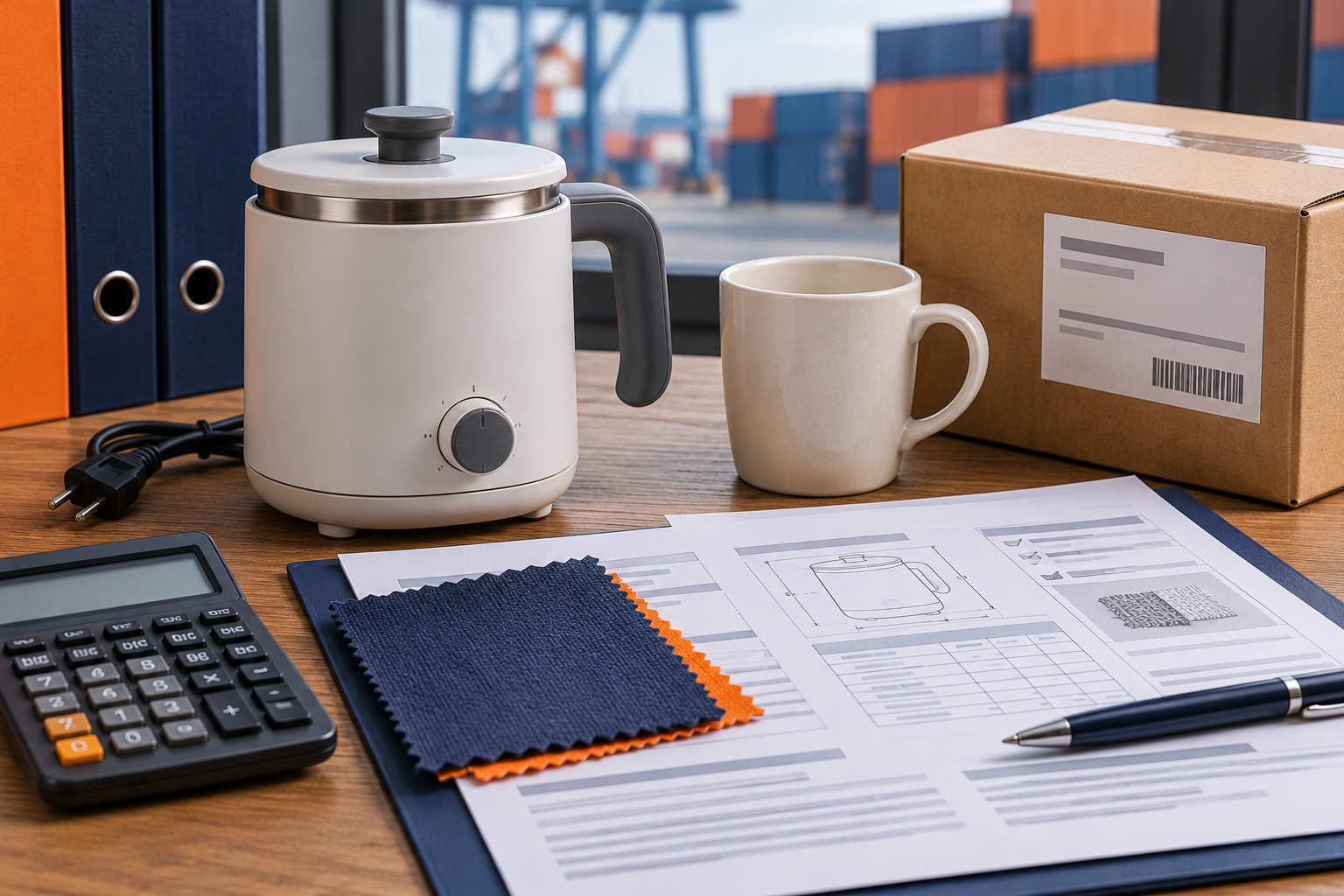
建议准备产品照片、技术说明、主要材料、工作原理、用途及型号差异说明,并列出现用编码和拟申报日期。归类存在疑问时,可由进口商或报关代理依据完整资料进一步确认,不应由一张图片或简单品名直接作出最终判断。Provide photographs, specifications, principal materials, operating principles, intended use and model differences, together with the current code and intended declaration date. Where classification is uncertain, the importer or customs representative can investigate using the complete file rather than relying only on a photograph or short description.
订单和内部系统怎样同步Align orders and internal records
确认编码后,可同步检查发票品名、系统产品档案及交给物流方的申报资料。保留编码确认的日期、依据和沟通记录;如客户反馈税率或归类变化,应分清是年度目录调整、产品变化,还是前期资料存在偏差,再决定后续处理。Once a code is confirmed, review invoice descriptions, product master data and information supplied to logistics partners. Retain the confirmation date, reasoning and correspondence. If classification or duty treatment changes, distinguish an annual nomenclature update from a product change or an earlier data mismatch before deciding what to revise.